Category: Infrastructure
Type: Fortress
Location: Rumeli Hisarı, Yahya Kemal Ave. Sarıyer
Date: 1452
Designer: Unknown
Period: Ottoman Empire
Photos: T.C. Kültür ve Turizm Bakanlığı (goturkiye.com)
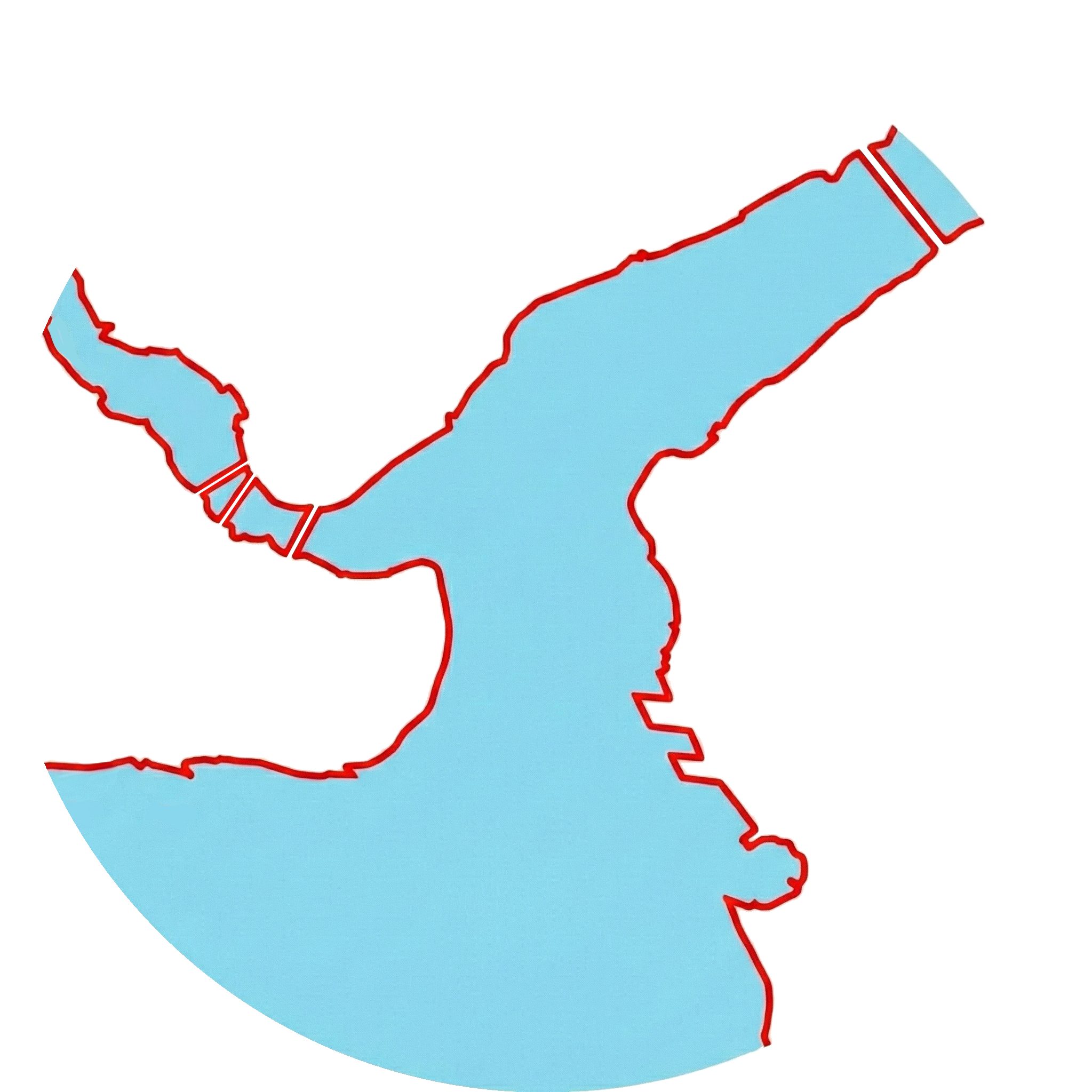
Rumeli Fortress, also known as Boğazkesen or the Throat Cutter, was commissioned by Sultan Mehmed the Conqueror and remarkably completed in just four months in 1452 to secure strategic control over the Bosphorus prior to the siege of Constantinople. Located at the narrowest point of the strait, directly across from the earlier Anatolian Fortress, it was designed to intercept maritime traffic and prevent northern reinforcements from reaching the Byzantine capital. Architecturally, the fortress is distinguished by its three massive towers named after the viziers Halil Pasha, Saruca Pasha, and Zağanos Pasha, which are linked by formidable curtain walls that follow the steep, rugged topography of the hillside. The layout is legendary for allegedly mimicking the name of the Prophet Muhammad in Kufic script, and the site remains one of the most imposing examples of medieval military engineering, featuring thick masonry of stone and brick that has withstood centuries of seismic activity and urban expansion along the waterfront.


