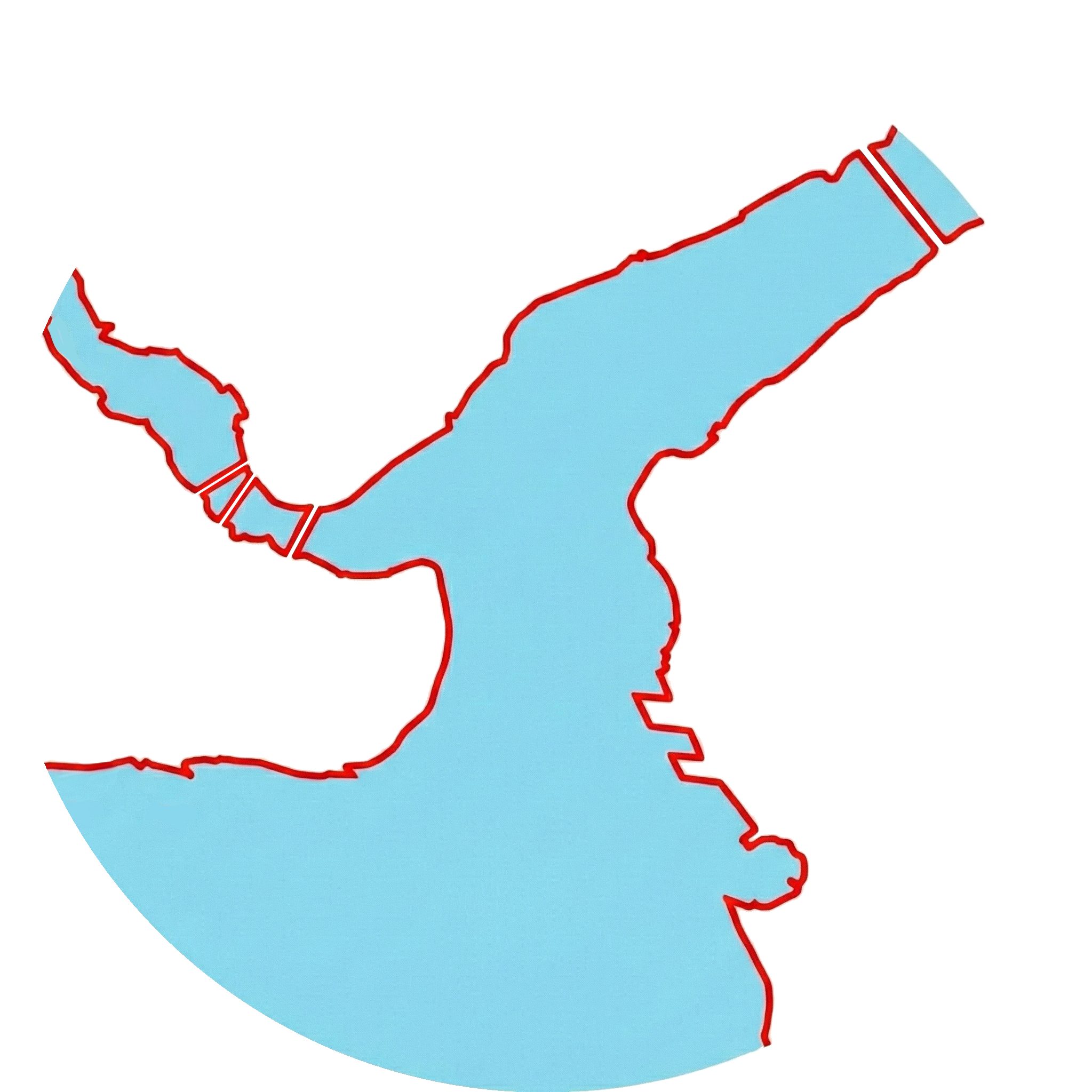
Category: Residential
Type: Palace
Location: Ayvansaray, Fatih
Date: 13th Century
Designer: Unknown
Period: Eastern Roman (Byzantine) Empire
Photos: Kaan Çorbacı
The Palace of the Porphyrogenitus, known in Turkish as Tekfur Sarayı, stands as one of the most significant surviving examples of late Byzantine secular architecture in the world. Situated at the northern edge of the Theodosian Walls in Istanbul, this three-story structure was built during the late 13th or early 14th century as part of the Blachernae Palace complex. It is particularly renowned for its elaborate facade, which features a sophisticated alternating pattern of red brick and white limestone, reflecting the aesthetic preferences of the Palaiologan Renaissance. Throughout its long history, the building has served various purposes beyond being an imperial residence, including its time as a pottery kiln and a glass factory during the Ottoman era, before its eventual restoration into a museum.


